|
True
Financial Independence
Billy and
Akaisha Kaderli
So you're retired -- now what? Many would say
congratulations, but it doesn't end here.
Actually, this period is the beginning
of another phase of your life, and it can be as exciting as anything else you've
done in the past. How you choose to spend your time once you no longer need the
income from an ordinary job is something you seriously need to consider. Sitting
around to reward yourself for work well done might be appealing at first, but
once the novelty of retirement wears off, you may find yourself itching for
something more gratifying. This is where the real payoffs of life come from.
When our lives are filled with work-related challenges, household duties, or
health and family needs, we often have tunnel vision. Barely are there moments
for conversation, and people can blur through our lives without much fanfare.
We're running on the treadmill, catching up with the TV news, and talking on the
cell phone simultaneously. Hobbies take a back seat, sometimes for years. There
is no down time.
The pace of retirement is less rigid. This
fresh approach toward life allows us simply to sit quietly in a park or relax,
leisurely having a latte in the newest coffee shop. We flip through a weekly
event newspaper and notice a whole landscape of attractive options for
self-expression. Discovering that there is no adequate recycling program for our
town, we resolve to start one. The local school needs a drama coach, the city's
garden club wants a speaker, or the animal rescue facility is looking for
a volunteer twice a week. We check our personal planner, and for the first moment
in years, there's room on our calendar.
We find this fact thrilling, and one
thing leads to another.
If you are at all computer-savvy, you could
help people become familiar with how to operate a computer, tablet or phone.
This is a life-changing skill to those afraid of moving into the cyber world.
You could coach Little League teams and discover the power and influence of
service, or learn to paint on canvas and auction your work for your favorite
charity.
Once you no longer need a job to pay your bills, opportunities to contribute or
make extra cash will appear where you never saw them before. For instance, we've
traded our skills as former restaurant owners to help open a Four Seasons Resort
Hotel in the Caribbean Islands in exchange for dinners in their exclusive
restaurant. Management then asked us to use our expertise to critique the meals
and service, helping the management to prepare for soon-to-arrive tourists.
While in Mexico, as in the style of the
Peace Corps, we taught the owners of a
neighborhood photography shop how to make and market photos into note cards. The
many travelers who visited the area eagerly bought these up, creating a side
business and generating much-needed income for this local family.
On a private note, we were also fortunate to be the
caregivers to our
terminally ill parents for months at a time. Cherished memories were made, and we were able
to share lessons about life and death.
Here's how to get started on the road to true financial independence:
1. Educate yourself about
financial terms. Find a fee-based financial
planner instead of one who gets paid via commissions or on a percentage. Better
yet, use no-load mutual funds and ETF's to do it yourself. Remember, YOU are your
strongest advocate.
2. Commit to a certain amount or percentage of your income each month to put
toward your investments. Keep this commitment!
3. Find out
where your
money is going.
Cut expenses wherever you can.
Simplify your life, and bank the difference. Then
cut some more to reach your objective. Know what is important to you in life.
4. Get your spouse and children on the same track for your family's goals.
This support is vital. Ask what each member is willing to do to contribute to
your family's plan, and help each other keep to that promise.
Make it fun; be
creative.
The point is, the same vigor and purpose you took to your everyday job can be
transferred to the next stage of your life. Relax, have fun, and enjoy making a
difference in someone else's life.
The satisfaction
you receive from these
experiences becomes the currency of your life. They will enrich you far greater
than any paycheck.
For more on
Retirement Topics,
click here and
here and don't forget to signup for
our free Newsletter.

About the Authors
Billy and Akaisha Kaderli are
recognized retirement experts and internationally published authors on
topics of finance, medical tourism and world travel. With the wealth of
information they share on their award winning website RetireEarlyLifestyle.com,
they have been helping people achieve their own retirement dreams since
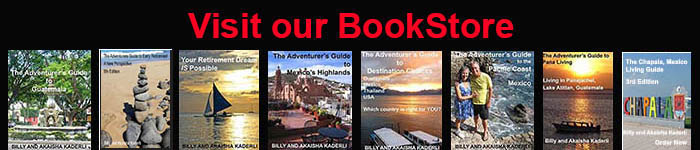
1991. They wrote the popular books, The
Adventurer’s Guide to Early Retirement and Your
Retirement Dream IS Possible available on their website
bookstore or
on Amazon.com.



Retire
Early Lifestyle appeals to a different
kind of person – the person who prizes their
independence, values their
time, and who doesn’t want to mindlessly
follow the crowd.
HOME
Book Store
Retire Early Lifestyle Blog
About Billy & Akaisha
Kaderli
Press
Contact
20 Questions
Preferred
Links
Retirement
Country Info
Retiree
Interviews
Commentary
REL
Videos
|